There is a question I have not been able to leave alone.
Why do people who know the right thing to do still fail to do it?
I first encountered it professionally: in strategic planning sessions, executive meetings, compliance offices, and integrity investigations across Europe, Asia, and the Americas. Organizations investing seriously in ethics. Leaders who could articulate their values with impressive conviction. And still: the quiet failures, the small surrenders, the moments where what was done and what was believed pointed in opposite directions.
Then I encountered it more personally. In mentors I respected. In colleagues I admired. In people I love. In myself. The gap between aspiration and action is not a flaw of weak character. It is a structural feature of the human condition that centuries of philosophical inquiry and decades of ethics training have not adequately resolved.
That recognition became the foundation of my work.
I am Alma Gonzalez, Ph.D., founder of the Ethical Reliability Institute and creator of the NeuroCharacter™ Method.
My path to this work is not a straight line. I hold a doctorate in Strategic Studies from Nanyang Technological University, Singapore, where my research examined defence economics and industrial policy, including the ethics of procurement decisions in some of the world’s most complex institutional environments. That experience gave me a visceral education in what happens when stated values and enacted decisions diverge at scale.
I then spent more than fifteen years working with global organizations on leadership development, organizational effectiveness, and business ethics. I have sat in the rooms where values are articulated and in the rooms where they are abandoned. I have designed and delivered corporate learning programs, facilitated difficult conversations, and investigated misconduct. Each experience deepened the same central question.
What I have come to understand is this:
The gap between ethical knowledge and ethical action is not a knowledge problem. It is a coordination problem. Reliable ethical behavior depends on the progressive integration of specific internal capacities: the ability to perceive what is ethically at stake, the motivational investment to act on it, the regulatory capacity to sustain that action under pressure, and the habit structures that make it increasingly automatic over time.
When these capacities are developed together — and when the organizational conditions support rather than undermine them — ethical behavior stops being a matter of willpower and starts being a matter of character. Built character. Deliberately developed.
That is the work I am here to do.
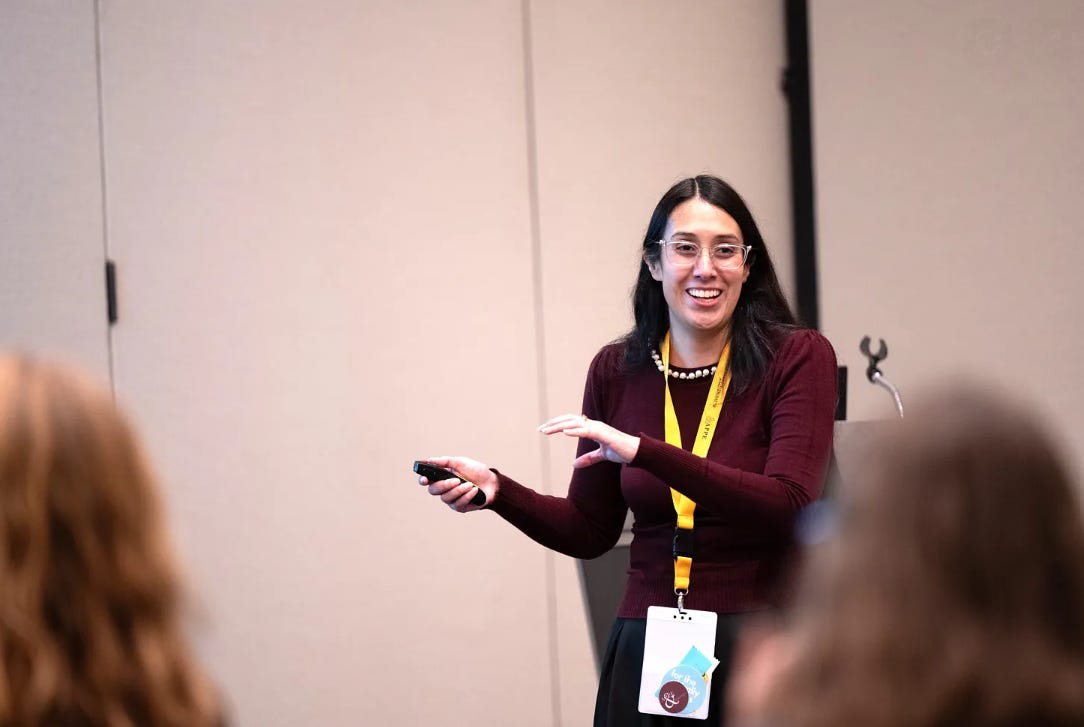
Through the Ethical Reliability Institute, I develop research, frameworks, assessments, educational programs, and practical tools for individuals and organizations who are serious about this challenge.
My intention is to contribute to a future where ethical behavior is not left to chance, where trust is recognized as a strategic capability, and where character development is treated with the same seriousness as technical skills.
Beyond work, I am endlessly curious. I am drawn to history, particularly the kind that reveals how ethics and power interact across centuries. I enjoy speaking and exchanging ideas at international conferences that gather scholars and practitioners from around the world. And yet, some of my most clarifying insights have arrived from conversations in hallways, cafés, and airports with people whose lives look nothing like mine.
Character is both deeply personal and profoundly universal. That tension is what makes this work inexhaustible.
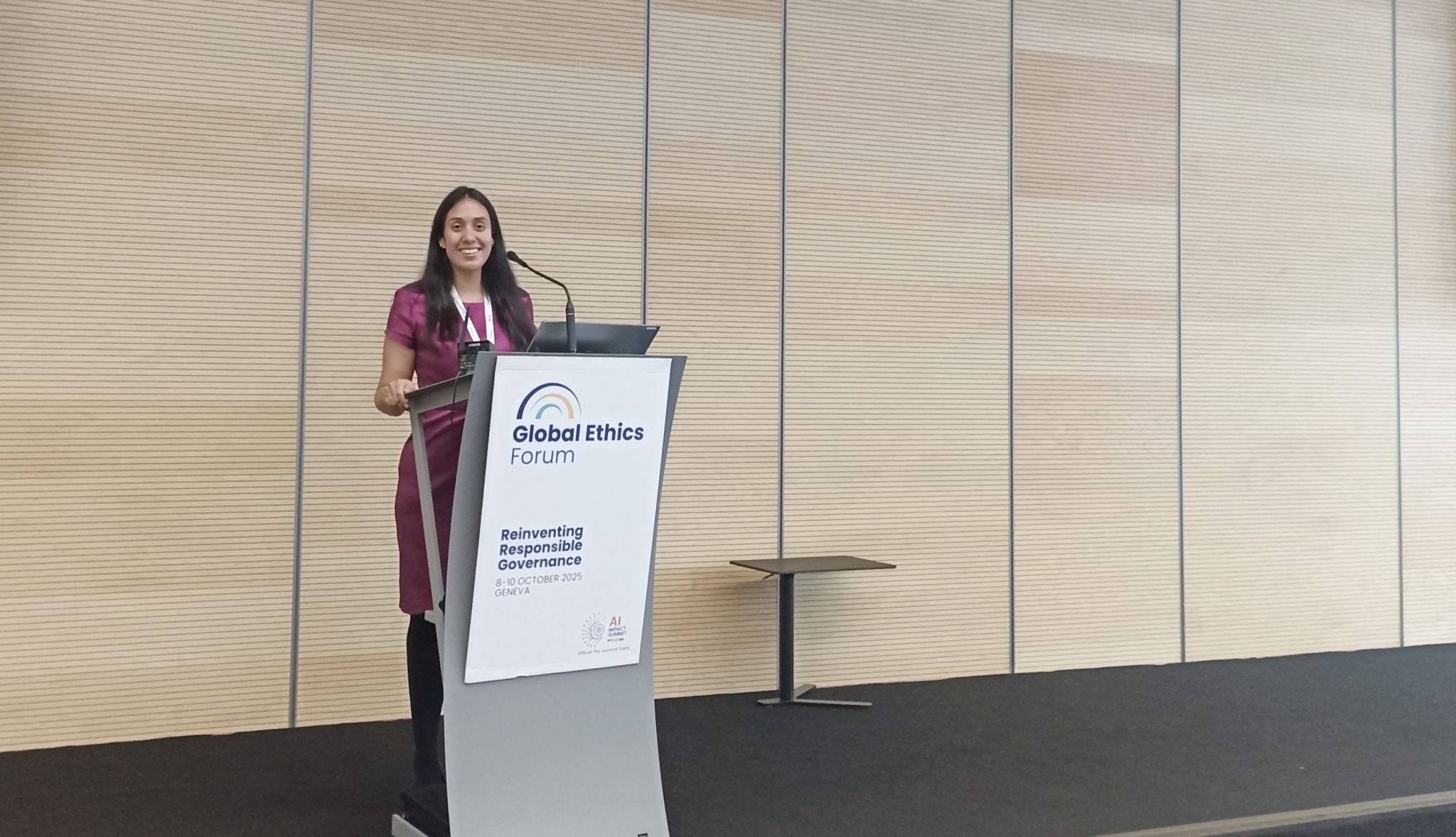
If you are a leader navigating the distance between your organization’s stated values and its daily reality — or a researcher, educator, or practitioner who believes that ethical development can be more rigorous and more effective than it currently is — you will find something useful here.
I welcome the conversation.